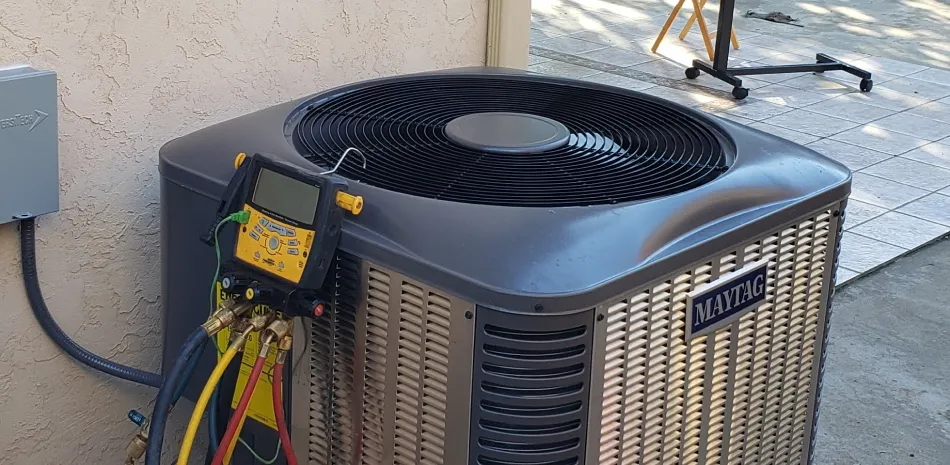
What Does a Heating and Cooling Professional Do?
When your heating and cooling systems stop working efficiently, you need a skilled professional who understands the complexities of climate control technology. A qualified technician handles installation, maintenance, and repair of heating and air conditioning equipment for both residential and commercial properties.
These professionals evaluate your property’s specific needs, recommend appropriate system sizes, and ensure installations meet local building codes and manufacturer specifications. They troubleshoot issues ranging from refrigerant leaks and electrical failures to airflow problems and thermostat malfunctions. Regular maintenance visits include cleaning components, checking refrigerant levels, inspecting electrical connections, and testing system performance to prevent unexpected breakdowns.
In El Cajon, where summer temperatures frequently climb into the 80s and 90s, reliable air conditioning becomes essential for comfort and safety. During winter months, while temperatures remain relatively mild, heating systems still require proper operation for those cooler evenings. A trained technician ensures your equipment operates efficiently year-round, which directly impacts your energy bills and indoor air quality.
Beyond basic repairs, these professionals install advanced systems like ductless mini-splits, heat pumps, and zoned climate control solutions. They also address air quality concerns by installing purification systems, humidifiers, and dehumidifiers that create healthier indoor environments.
Credentials and Certifications That Matter
Finding someone who can properly service your heating and cooling equipment requires verifying specific qualifications. California requires technicians to hold appropriate licenses for the work they perform. The Contractors State License Board oversees these requirements, and any professional working on your system should possess valid credentials.
Look for certification from the North American Technician Excellence (NATE) organization, which tests technicians on their knowledge of installation, service, and performance optimization. NATE certification demonstrates commitment to ongoing education and mastery of current industry standards. Additionally, Environmental Protection Agency (EPA) Section 608 certification is mandatory for anyone who handles refrigerants, ensuring they understand proper procedures for environmental protection.
Insurance coverage protects you from liability if accidents occur during service calls. Request proof of both general liability insurance and workers’ compensation coverage before allowing anyone to work on your property. Established professionals maintain these protections as standard business practice.
Experience with your specific equipment type matters significantly. Different manufacturers use varying technologies, and familiarity with your system’s brand and model leads to faster diagnosis and more effective repairs. Ask about the technician’s background with your particular equipment before scheduling service.
Customer reviews and references provide insight into reliability, professionalism, and quality of work. Check online platforms and ask for local references to verify that previous clients received satisfactory service. Consistent positive feedback indicates a trustworthy service provider.
Installation, Maintenance, and Repair Essentials
Understanding when to call for professional help saves money and prevents minor issues from becoming major failures. New system installation represents the most significant investment, typically occurring when replacing aging equipment or constructing new buildings. Proper sizing calculations ensure your new system matches your property’s heating and cooling load, preventing energy waste and performance issues.
Scheduled maintenance extends equipment lifespan and maintains efficiency. Most manufacturers recommend service twice annually, before cooling season and before heating season. During these visits, technicians clean coils, replace filters, lubricate moving parts, test safety controls, and identify potential problems before they cause breakdowns. Properties with older systems or high usage patterns benefit from more frequent inspections.
Repair calls become necessary when you notice unusual sounds, inconsistent temperatures, increased energy costs, or complete system failure. Strange noises like grinding, squealing, or banging indicate mechanical problems requiring immediate attention. Rooms that never reach desired temperatures suggest airflow restrictions, duct leaks, or refrigerant issues. Sudden spikes in utility bills often signal declining efficiency that repairs can address.
Emergency service provides solutions when systems fail during extreme weather. In El Cajon, unexpected heat waves can create dangerous indoor conditions, particularly for elderly residents and young children. Access to 24-hour emergency service ensures you can restore climate control when you need it most.
Duct cleaning and sealing improves system performance by eliminating air leaks and removing accumulated debris. Leaky ductwork wastes conditioned air, forcing your system to work harder and increasing operating costs. Professional duct inspection identifies these efficiency losses.
Cano Air Conditioning & Heating delivers all these services with skilled technicians who understand local climate challenges. Their commitment to quality installations, reliable repairs, and routine maintenance ensures your property remains comfortable throughout the year. With experience serving both residential and commercial clients, they provide tailored solutions that enhance your indoor environment while optimizing energy efficiency.
Making an Informed Decision for Your Property
Before committing to a service provider, gather information that helps you make a confident choice. Start by asking about their experience with properties similar to yours. Residential and commercial systems differ significantly in size and complexity, so verify the technician has relevant background for your specific situation.
Request detailed written estimates that itemize labor, parts, and any additional fees. Transparent pricing allows you to compare quotes accurately and avoid surprise charges. Be wary of estimates significantly lower than competitors, as they may indicate shortcuts or hidden costs that appear later.
Inquire about warranty coverage on both parts and labor. Reputable professionals stand behind their work with guarantees that protect your investment. Understand the terms and duration of these warranties before authorizing any work.
Ask about response times for service calls and emergency availability. When your system fails during a hot summer day or cold winter night, quick response becomes critical. Knowing their typical timeframe helps set realistic expectations.
Discuss equipment recommendations and available options. A quality professional explains the advantages and disadvantages of different brands and models, helping you select equipment that fits your budget and performance requirements. They should present multiple options rather than pushing a single product line.
Verify their approach to diagnostics and problem-solving. Skilled technicians perform thorough assessments before recommending solutions, rather than immediately suggesting costly replacements. Understanding their diagnostic process indicates their commitment to finding the most cost-effective solution.
Finally, ask about maintenance programs and ongoing support. Many providers offer service agreements that include regular inspections, priority scheduling, and discounted repairs. These programs simplify scheduling and often save money over time.
Maximizing Performance While Managing Expenses
Energy efficiency directly affects your operating costs and environmental impact. Modern heating and cooling systems offer significantly better efficiency than models from even a decade ago. The Seasonal Energy Efficiency Ratio (SEER) measures air conditioning efficiency, while the Annual Fuel Utilization Efficiency (AFUE) rating applies to furnaces. Higher numbers indicate better efficiency and lower operating costs.
When replacing equipment, balance upfront costs against long-term savings. Premium high-efficiency models cost more initially but reduce monthly utility bills. Calculate payback periods by comparing energy savings to the additional purchase price. In many cases, the efficiency gains justify the higher investment, particularly for properties with high usage.
Regular maintenance preserves efficiency throughout your system’s lifespan. Dirty filters, clogged coils, and worn components force equipment to work harder, consuming more energy for the same output. Scheduled service prevents these efficiency losses, keeping operating costs predictable.
Programmable and smart thermostats reduce energy waste by adjusting temperatures based on occupancy and time of day. These devices learn your schedule and preferences, automatically optimizing climate control while minimizing unnecessary operation. Many utilities offer rebates for installing these energy-saving technologies.
Proper insulation and air sealing complement your heating and cooling equipment. Even the most efficient system wastes energy if conditioned air escapes through gaps, cracks, and poorly insulated areas. A qualified professional can assess your building envelope and recommend improvements that enhance overall efficiency.
Consider zoned systems for larger properties or spaces with varying usage patterns. Zoning allows independent temperature control for different areas, eliminating the need to heat or cool unused spaces. This targeted approach significantly reduces energy consumption in many applications.
Rebates and incentives from utility companies and government programs offset upgrade costs. Research available programs in California that reward energy-efficient installations and retrofits. Your service provider should know about current incentives and help you access these savings.